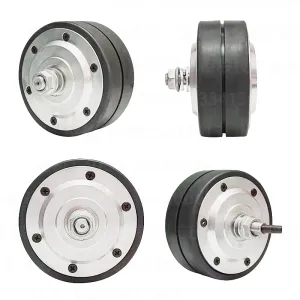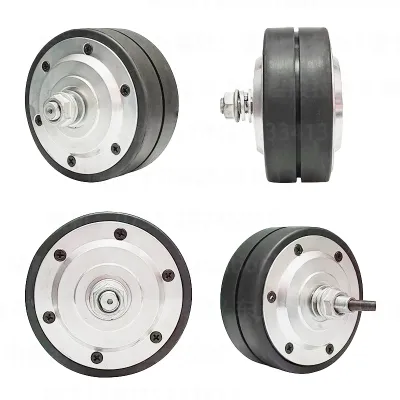

In demanding warehouse environments characterized by high humidity, pervasive dust, and frequent cleaning routines, the reliability of industrial casters hinges substantially on their water and dust protection capabilities. Failing to meet these standards often results in premature component failure, increased maintenance costs, and operational downtime. This article delivers an in-depth technical analysis of the IP65 protection standard, dissecting critical sealing mechanisms such as O-ring placement and waterproof end caps. It highlights the most common engineering pitfalls and proposes actionable maintenance guidance to optimize caster longevity and reliability.
Consider an automated logistics facility where electric pallet jacks equipped with industrial casters operate continuously across wet and dusty floors. Operators frequently reported motor malfunctions traced back to water ingress and dust accumulation inside caster housings. Detailed inspections revealed inadequate sealing on end caps and aging O-rings that lost elasticity under constant exposure to cleaning agents. Such scenarios underscore the importance of robust waterproof and dustproof designs compliant with internationally recognized standards to ensure equipment uptime.
The IP (Ingress Protection) rating system universally codifies the level of protection electrical enclosures and mechanical components offer against solid particles and liquids. IP65 specifically guarantees complete dust-tight integrity (6) alongside protection against low-pressure water jets from any direction (5). For context, IP54 offers only limited dust ingress protection and protection against splashing water, whereas IP67 provides temporary immersion waterproofing but at potentially higher cost and complexity.
Choosing IP65-rated casters strikes a practical balance: it ensures reliable performance in environments with routine water jet exposure (e.g., cleaning sprays) and persistent dust without necessitating the specialized designs IP67 requires.
Among the most impactful design elements for achieving IP65 are precise O-ring positioning, high-quality sealing materials, and meticulous treatment of all interface seams. The O-ring acts as a flexible barrier, typically seated within a groove at junctions between the caster wheel body and axle housing.
The sealing path illustrated below represents a typical IP65 caster’s barrier architecture, emphasizing double-layer sealing at critical ingress points:
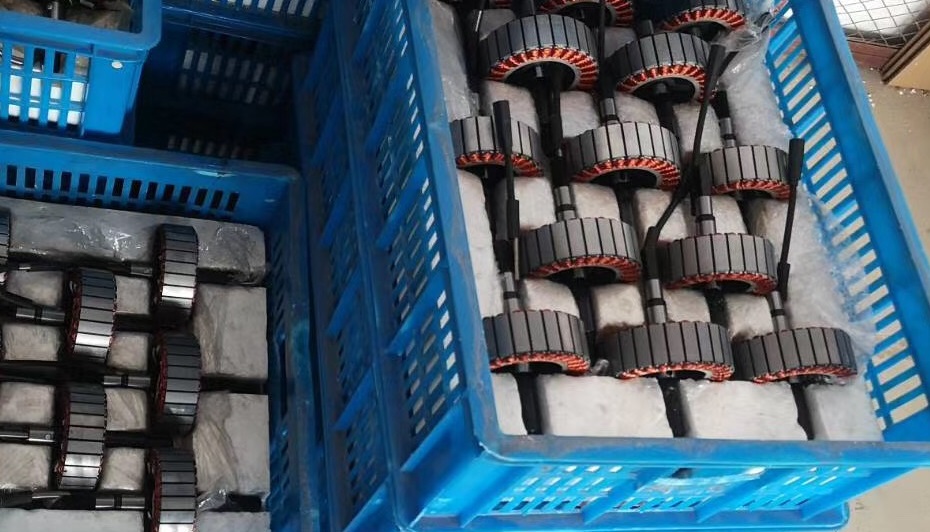
Interactive Note: Remember to check if the O-ring is tightly compressed during your next assembly.
In addition, waterproof end caps must prevent capillary water ingress, a factor often overlooked during initial design or maintenance. Materials with superior chemical resistance and UV stability avoid seal degradation over time.
IEC 60529 standard prescribes rigorous testing methods for validating ingress protection. The IP65 rating involves exposure to a 12.5 L/min water jet from all directions at 3 meters distance for at least 3 minutes, combined with 8 hours of dust chamber exposure under a vacuum to simulate dust penetration.
"Dust shall not penetrate in sufficient quantity to interfere with the satisfactory operation of the equipment; water projected by a nozzle against enclosure from any direction shall have no harmful effects." — IEC 60529 Excerpt
These stringent conditions emulate realistic operational stressors, ensuring products labeled IP65 can withstand the harsh industrial environments without compromise.
Despite adherence to design standards, engineers often overlook critical factors:
Implementing accelerated aging protocols, comprehensive seal inspections, and interface gap analysis improves reliability and meets IP65 expectations.
A closed-loop maintenance system is vital to preserve IP65 performance during the caster’s life cycle. Recommended periodic tasks include:
Adopting these protocols ensures that casters meet factory specifications far beyond their warranty periods, delivering value through minimized downtime.

 402
|
402
|
 brushless hub motor maintenance
flatbed cart motor care
industrial motor lifespan extension
logistics equipment troubleshooting
heavy-duty transport motor upkeep
brushless hub motor maintenance
flatbed cart motor care
industrial motor lifespan extension
logistics equipment troubleshooting
heavy-duty transport motor upkeep