Industrial Brushless Hub Motor Maintenance Guide: Key Practices to Extend Lifespan and Reduce Downtime Costs
2025-12-11
Technical knowledge
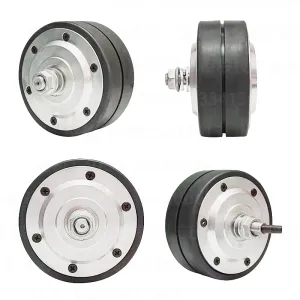
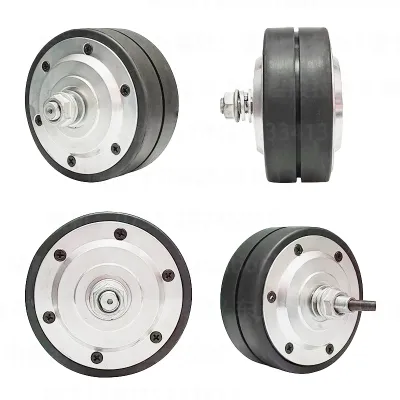
Industrial brushless hub motors are the core power source behind the efficient operation of flatbed carts. Without proper maintenance, frequent failures and costly downtimes are inevitable. This guide details daily maintenance essentials for 8-inch 200mm tire width, 83-open slot, 100 double-sided threaded shaft brushless hub motors. You will learn crucial preventive measures including dust and water protection, threaded shaft fastening inspection, and optimized lubrication schedules. It also covers common abnormalities such as unusual noises and power instability, with quick troubleshooting tips to prolong motor life and cut operational expenses. Leveraging JinHaixin’s hands-on technical expertise, this guide supports you in establishing a stable and reliable logistics transport equipment system.

Industrial-Grade Brushless Hub Motor Maintenance Guide: Key Operations to Extend Lifespan & Reduce Downtime Costs
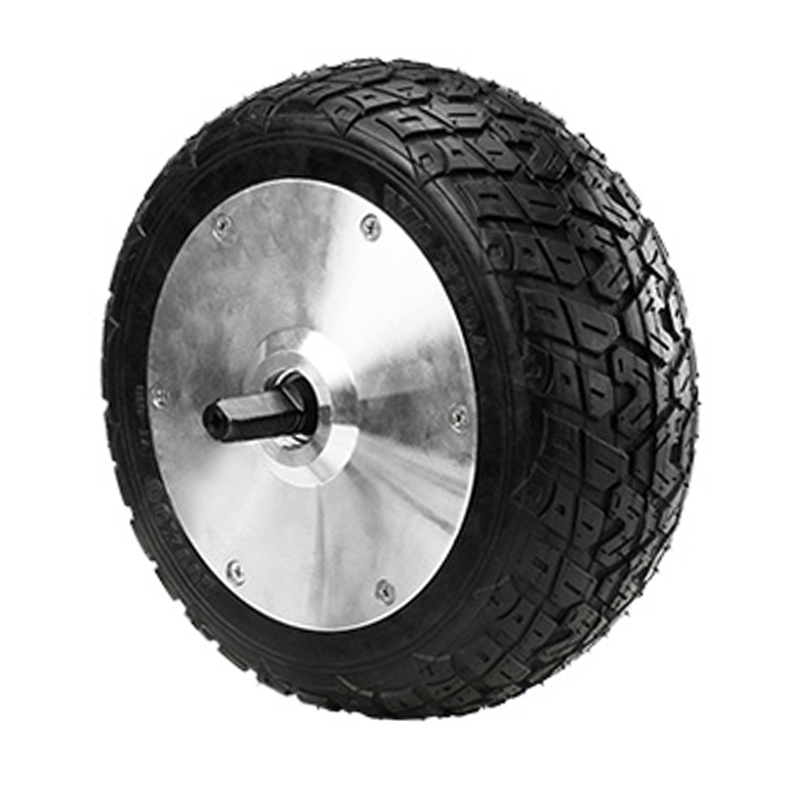
You rely on your industrial brushless hub motors—particularly the 8-inch, 200mm wide tires with 83 open-groove 100 double-sided threaded shafts—to power flatbed carts efficiently. Without proper maintenance, these critical components face frequent failures and costly downtime. This guide prepares you with actionable steps to safeguard motor health, optimize performance, and minimize operational disruptions.
Understanding the Value and Common Issues of Brushless Hub Motors
Brushless hub motors serve as the core propulsion system in logistics and industrial transport equipment. Their design promotes high efficiency, quiet operation, and low maintenance compared to brushed variants. However, key issues often arise due to environmental exposure, mechanical stress, and improper lubrication:
- Ingress of dust and water leading to electronic failures and corrosion
- Loosening of threaded shaft connections affecting torque transmission
- Insufficient or excessive lubrication accelerating wear or contamination
- Abnormal sounds and unstable power output indicating internal component stress
Daily Maintenance Checklist for Your Brushless Hub Motor
Implementing a consistent inspection routine enables you to detect potential issues early. Consider this checklist tailored for flatbed cart motors:
- Exterior Cleaning: Wipe down motor housing to remove dust, debris, and moisture traces.
- Threaded Shaft Tightness: Check torque on the 100 double-sided thread shafts to avoid loosening—recommend torque specs per manufacturer instructions.
- IP Rating Verification: Ensure housing seals are intact to maintain specified dust and water protection levels.
Scheduling inspections at least every two weeks is optimal for high-use environments. Document findings for trend analysis.
Effective Dust and Water Protection for Extended Motor Life
The environment greatly impacts motor reliability. Industrial settings often include dust, moisture, and temperature fluctuations:
- Use IP65-rated sealing compounds and gaskets to resist particle ingress
- Maintain surrounding equipment to reduce dust accumulation near motors
- Implement protective covers for extended outdoor or wet environments
Adjust cleaning frequency proportional to environmental harshness; dusty warehouses require more frequent checks than controlled factory floors.
Lubrication Best Practices: Frequency & Methods
Proper lubrication of bearings and threaded shafts reduces friction and wear but must be optimized:
- Recommended Interval: One lubrication cycle every 3 months is ideal for typical workloads, but increase frequency to monthly for heavy-duty continuous operations.
- Use Quality Lubricants: Apply industrial-grade grease suitable for brushless hubs—avoid excess quantity that traps dust or water.
- Inspect After Lubrication: Confirm no residue buildup or seal degradation post-application.
Identifying & Troubleshooting Common Motor Faults
Recognizing symptoms early improves repair outcomes dramatically:
| Issue |
Cause |
Recommended Action |
| Unstable Power Output |
Loose shaft or wiring connection |
Tighten bolts; inspect electrical contacts immediately |
| Abnormal Noises (Grinding/Clicking) |
Worn bearings or contaminated lubrication |
Replace bearings; clean and re-lubricate per schedule |
| Overheating |
Blocked ventilation or motor overload |
Clear airflow paths; verify load limits |
Customized Maintenance Strategies by Usage Scenario
Tailoring maintenance to operational settings maximizes uptime:
- Factories: Emphasize lubrication and vibration monitoring due to machinery proximity and dust.
- Warehouses: Frequent threaded shaft checks to avoid loosening from movement shocks.
- Distribution Centers: Enhance dust/water sealing and increase cleaning frequency to handle mixed environments.
Consider digital monitoring for critical motors to track temperature and vibration trends seamlessly, alerting you before failure.
Pro Tip: Keep a maintenance log with dates, observations, and actions to analyze long-term motor health and optimize schedules.
We encourage you to share your own motor maintenance experiences or questions in the comments below—your insights could help fellow operators achieve more reliable logistics performance.
For tailored support and premium service packages, JinhaiXin’s expert team is ready to elevate your maintenance program. Benefit from precision-engineered solutions and technical assistance designed to maximize your brushless hub motor uptime.


 471
|
471
|
 IP65 industrial casters
waterproof dustproof caster design
warehouse equipment protection
electric pallet truck caster selection
AGV caster waterproofing
IP65 industrial casters
waterproof dustproof caster design
warehouse equipment protection
electric pallet truck caster selection
AGV caster waterproofing